

Introduction
Have you ever noticed how some LED lights make the objects around you appear dull and your skin tone look pale? This is often due to the low Color Rendering Index (CRI) of the lighting fixtures. Then, what exactly is CRI, and how does it affect lighting? As an LED lighting solutions provider, Toppo Lighting will share some knowledge about CRI in this article to help you choose the right fixtures.
What Is CRI?
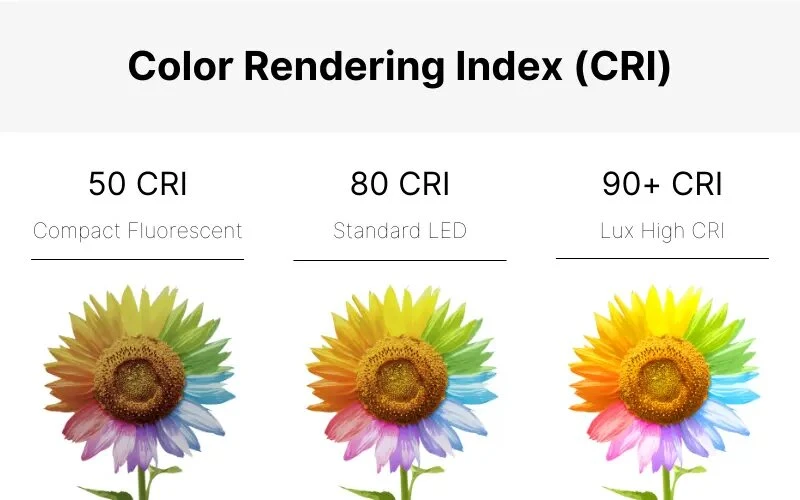
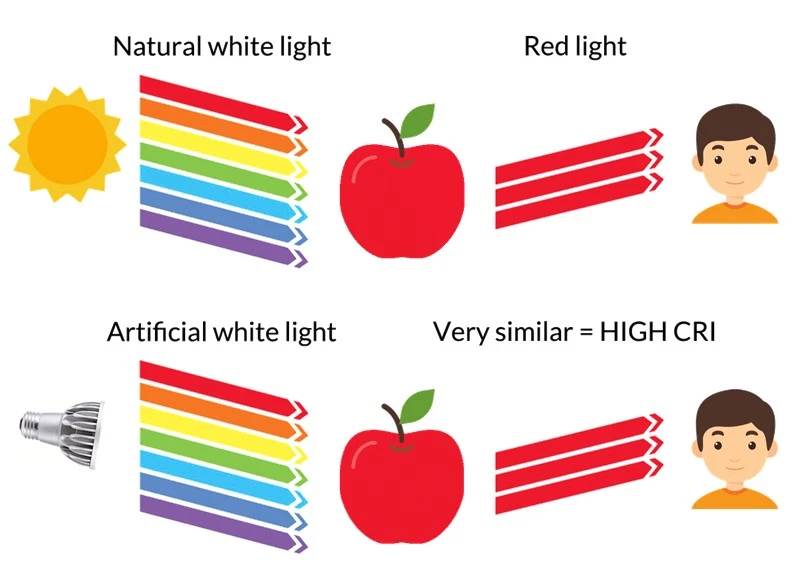
The Color Rendering Index (CRI) measures how accurately a light source reveals the true colors of objects compared to natural light. It is rated on a scale of 0 to 100, with 100 being the closest to natural sunlight. It is determined by testing a light source's ability to render 8 standard color samples (R1-R8). Generally, high-quality LED fixtures have a CRI of 85 or above. Under such lighting, fruits appear more vibrant and vivid, and we can more easily discern the tones and structure of decorative artwork.
The Relationship Between CRI and Other Metrics
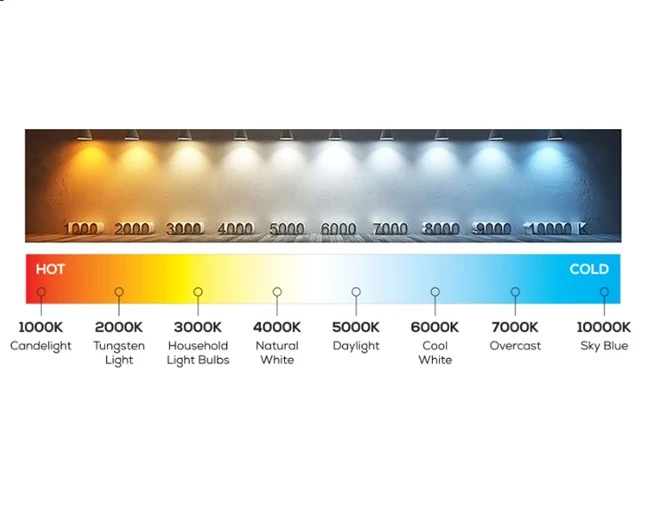
CCT and CRI are often confused. In fact, CCT, measured in Kelvin (K), describes the "warmth" or "coolness" of light. It ranges from warm yellow (e.g., 2700K) to cool white (e.g., 6500K) and influences the ambiance of a space. In contrast, CRI focuses more on color accuracy. A 3000K warm white light can have either a CRI of 70 (poor color rendering) or a CRI of 95 (high color rendering).
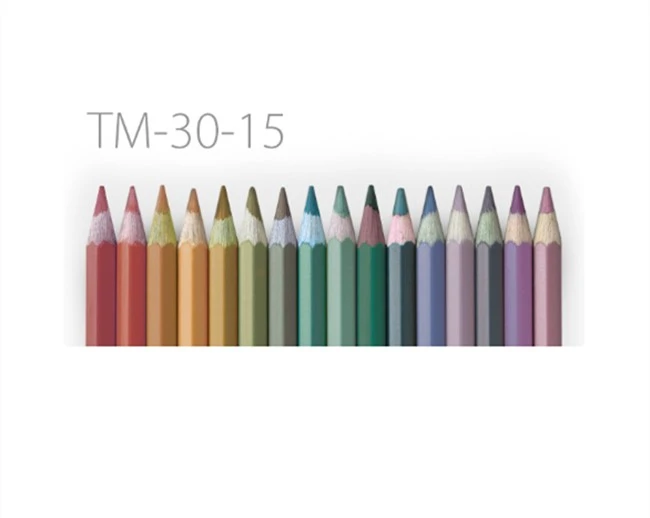
Both CRI and TM-30-15 evaluate a light's ability to reproduce object colors. CRI is the traditional metric, testing only 8 muted color samples, while TM-30-15 is a more modern system that assesses 99 color samples, including vibrant hues. For LED lighting, TM-30 is more reliable, but CRI remains an industry standard.
Why Is CRI So Important?
1. Accurate Color Representation: In galleries or studios, high-CRI lighting makes the colors of paintings or sculptures appear more vivid and true to life, helping to reveal authentic details. Low-CRI lighting, on the other hand, can make reds look brownish and greens appear gray, leading to misjudgments.
2. Boosting Sales: In commercial areas, many retailers rely on high-CRI lighting to enhance product appearance and attract customers. High-CRI lighting showcases the true colors and textures of fabrics, reducing the return rate. It also makes food in restaurants look more appetizing.
3. Improving Mood: Another important point is that high-CRI lighting can reduce eye strain and improve mood. Our eyes naturally feel more comfortable in environments resembling natural light. On the contrary, poor color rendering forces our eyes to work harder to distinguish colors, leading to fatigue and headaches over time.
How to Choose the Right CRI? (Quick Guide)
|
Application |
Recommended CRI |
Reason |
|
Art Galleries & Retail |
CRI 95+ |
Best color accuracy for true-to-life visuals |
|
Offices & Healthcare |
CRI 90+ |
Reduces eye strain, improves visibility |
|
Home Lighting |
CRI 80-90 |
Balances quality and cost |
|
Industrial/Warehouse |
CRI 70-80 |
Basic visibility (color accuracy less critical) |
Conclusion
CRI is not just a specification for LED fixtures, it directly impacts color perception, mood, productivity, and even purchasing decisions. For prolonged study or work, choosing high-CRI (90+) lighting often leads to greater comfort.
Ready to Upgrade Your Lighting?
As LED lighting experts, Toppo Lighting offers high-CRI, energy-efficient fixtures and customized lighting designs. From residential to commercial applications, our products are designed to deliver bright and comfortable lighting experiences. If you're considering a lighting upgrade, feel free to contact us and discover how Toppo can illuminate your world with true colors!