

How to Choose the Right LED Batten Light for Your Application?
The first step in choosing an LED batten light is to consider where it will be installed. Different applications have different lighting requirements.
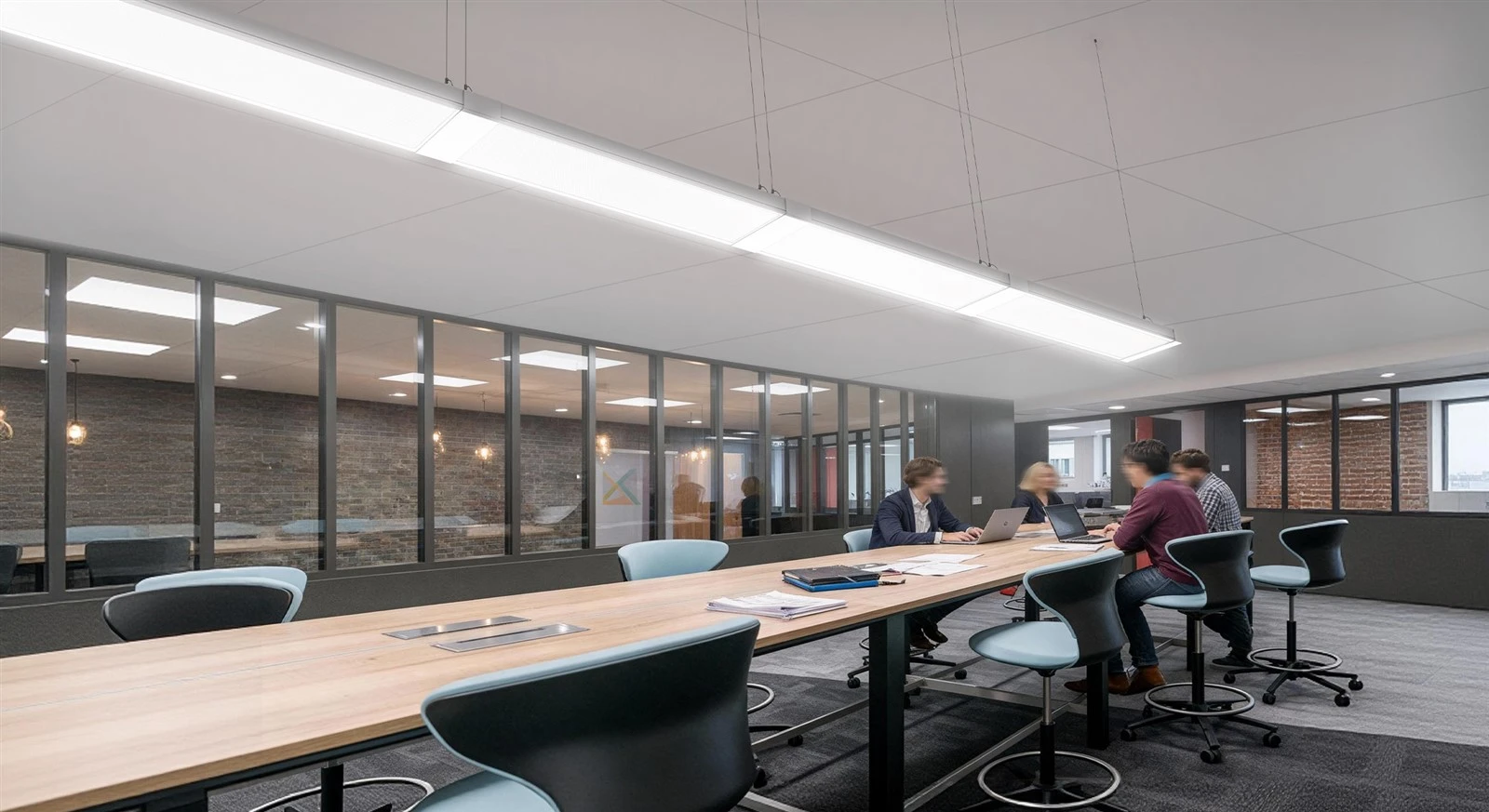
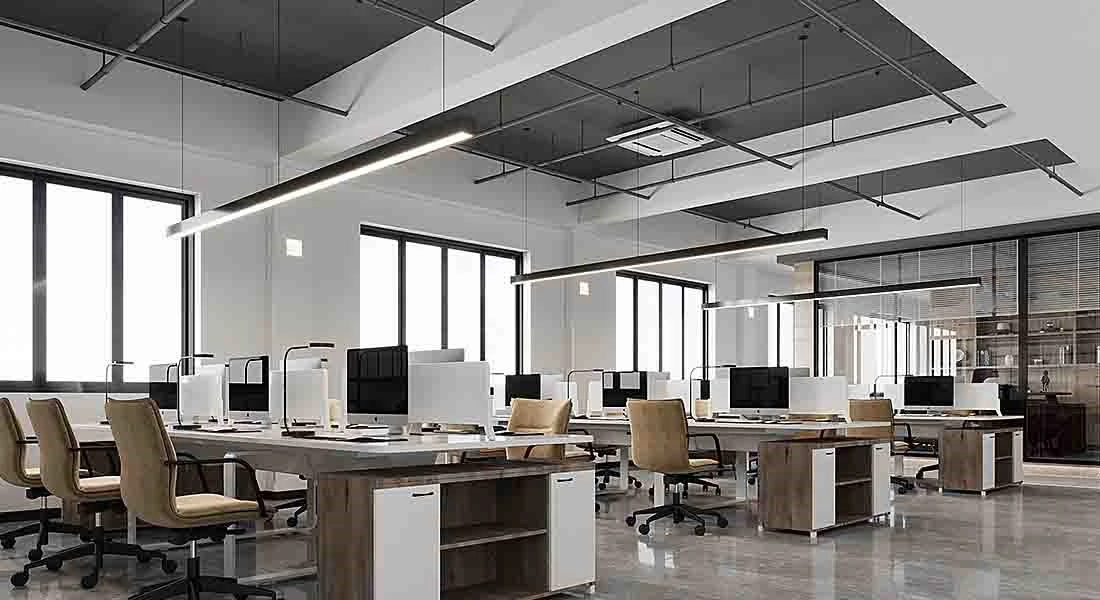
For example, an LED batten light for a warehouse should provide sufficient lumen output, uniform light distribution, and reliable performance, especially in areas with high ceilings. For offices and commercial spaces, a commercial LED batten light with comfortable illumination, a suitable color temperature, and low glare can create a better working environment.
If you need an LED batten light for a garage or workshop, durability, energy efficiency and an appropriate IP rating may be more important. For industrial environments, an industrial LED batten light should provide reliable operation, long service life, and consistent light output.
Choose the Right Wattage and Lumens
When selecting an LED batten light, it is important to understand the difference between wattage and lumen output. Wattage refers to how much electrical power the light consumes, while lumens indicate the amount of visible light produced.
Instead of choosing an LED batten light based only on wattage, consider the required LED batten light lumens for your application. A more efficient LED batten light can provide higher lumen output with lower power consumption.
For example, when comparing two LED batten lights with similar lumen output, the model with higher luminous efficacy can help reduce energy consumption. This is particularly important for warehouses, factories, offices and other commercial or industrial spaces where lighting operates for long hours.
Therefore, when deciding what wattage LED batten light you need, consider the size and purpose of the space, required illumination level and the fixture's lumen efficiency.
Choose the Right LED Batten Light Colour Temperature
Color temperature affects how the lighting environment looks and feels. LED batten lights include 3000K, 4000K, 5000K, and 6500K.
A warm colour temperature such as 3000K can create a more comfortable and welcoming atmosphere, while 4000K LED batten lights provide a neutral white appearance that is commonly suitable for offices, commercial spaces, workshops and general-purpose areas.
Cooler colour temperatures such as 5000K or 6500K can provide a brighter, cooler visual appearance and may be suitable for certain industrial, warehouse or utility environments.
When deciding what colour temperature is best for an LED batten light, consider the application, existing lighting, visual requirements and the preferred appearance of the space.
What IP Rating Do You Need for an LED Batten Light?
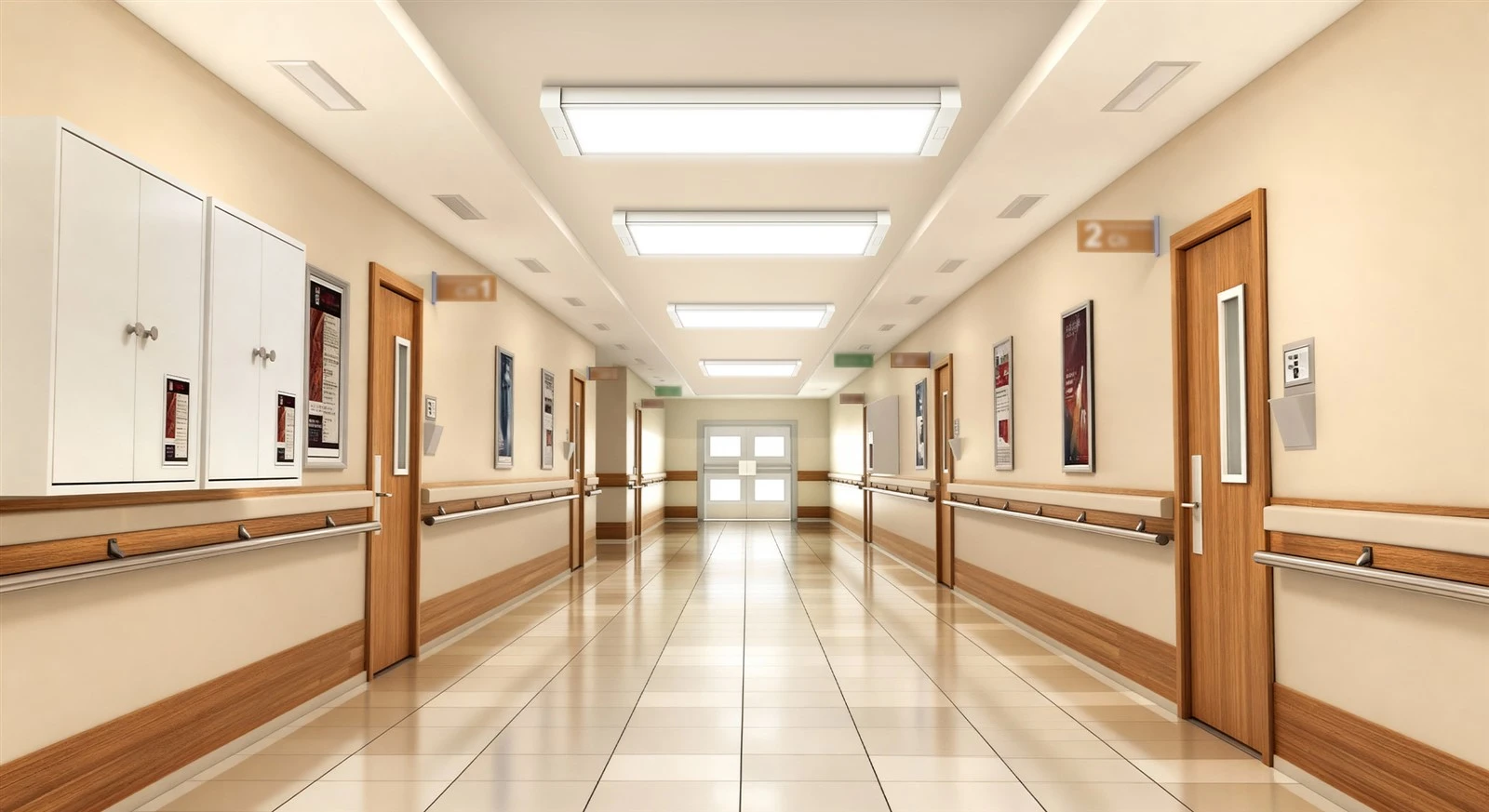
Choosing the right IP rating for an LED batten light depends on the installation environment and its exposure to dust, moisture and water. For dry indoor spaces such as offices and retail stores, a lower IP rating may be sufficient, while warehouses, garages, workshops and other demanding environments may require higher protection. An IP65 LED batten light can be a suitable option for areas exposed to dust and water jets, depending on the specific installation conditions. Before choosing an LED batten light, consider whether it will be installed indoors, outdoors or in a damp environment, and check the manufacturer's IP rating specifications to ensure the fixture meets your project requirements.
Check Certifications and Safety Standards
When choosing an LED batten light, certifications and safety standards are important factors to consider, especially for commercial and industrial projects. Before purchasing, check whether the LED batten light complies with the required market regulations and applicable safety standards.
For the European, buyers commonly look for products with CE certification and compliance with relevant requirements such as RoHS and EMC. Depending on the product and application, other applicable standards or certifications may also need to be considered.
Checking LED batten light certifications can help buyers evaluate product safety, electromagnetic compatibility and environmental compliance. Working with an experienced LED batten light manufacturer can make it easier to confirm compliance requirements and select the right lighting solution for your market.
Compare LED Batten Lights Before Buying: A Complete Guide
Different LED batten lights can vary significantly in wattage, lumen output, size, color temperature, IP rating, lifetime, and control options.
Whether you are looking for an LED batten light for a warehouse, office, garage, workshop, or commercial building, the following factors can help you make a better purchasing decision.
-
Compare LED Batten Light Wattage and Lumens
One of the first things to compare is LED batten light wattage and lumen output. Wattage indicates how much electricity the fixture consumes, while lumens indicate how much light it produces.
Instead of choosing a batten light based only on wattage, compare lumens per watt (lm/W) to understand its energy efficiency. For example, an LED batten light with higher luminous efficacy can provide similar or higher brightness while consuming less power.
This is especially important when selecting an LED batten light for a warehouse or industrial application, where lighting may operate for many hours every day.
2. Compare LED Batten Light Size and Length
The right size depends on both the installation area and the existing lighting system. Common options include 2 ft, 4 ft, and 5 ft LED batten lights.
If you are replacing fluorescent fixtures, compare the new LED batten light with the existing fixture in terms of length, dimensions, and mounting points.
For example, when choosing between a 4 ft LED batten light and a 5ft LED batten light, consider the available installation space, required light output, and existing fixture layout.
A suitable size can make installation easier and help provide more uniform lighting coverage.
3. Compare Color Temperature and CRI
Color temperature is another important factor when comparing LED batten lights. Common options include 3000K, 4000K, 5000K, and 6500K.
3000K: Warm and comfortable light
4000K: Neutral white, suitable for offices and commercial spaces
5000K: Cooler white, suitable for workshops and industrial areas
6500K: Daylight appearance for certain industrial and utility applications
You should also compare CRI if accurate color reproduction is important. For example, an office may benefit from a comfortable 4000K LED batten light, while a workshop or warehouse may require a cooler color temperature depending on the working environment.
4. Compare the IP Rating
If the LED batten light will be installed in a garage, workshop, warehouse, or other demanding environment, check its IP rating before purchasing.
The required LED batten light IP rating depends on exposure to dust, moisture, and water. An IP65 LED batten light, for example, provides protection against dust and water jets and can be suitable for certain demanding environments.
However, a higher IP rating is not automatically better for every application. The correct rating should be selected according to the actual installation conditions.
5. Compare LED Batten Light Lifetime and Warranty
When comparing prices, don't only look at the initial purchase cost. Check the expected lifetime and warranty as well. A reliable LED batten light manufacturer should provide clear information about:
Rated lifetime
LED performance
Driver quality
Thermal management
Warranty period
Product testing
For commercial and industrial projects, a longer-lasting LED batten light can reduce maintenance requirements and replacement costs over time.
6. Compare Certifications and Safety Standards
For commercial and industrial projects, make sure the LED batten light meets the required market regulations and safety standards.
For the European market, buyers may need to check requirements related to CE, RoHS, EMC and other applicable standards depending on the product and application.

OEM & ODM your project
Before buying an LED batten light, compare more than just the price. Wattage, lumen output, size, colour temperature, CRI, IP rating, lifetime, controls, certifications and warranty can all affect the performance and long-term value of the product.
For commercial and industrial projects, working with an experienced LED batten light manufacturer can also make it easier to select the right specifications, customize product requirements and obtain the necessary technical documents for your market.

Common Problem
What Wattage LED Batten Light Do I Need?
The required wattage depends on the application, room size, ceiling height, and desired brightness. When sourcing LED batten lights in bulk, compare wattage and lumen output rather than wattage alone. Contact an LED batten light supplier to request product specifications and a quotation for your project.
How Many Lumens Does a Batten Light Need?
The required lumen output depends on the space, lighting layout, and target illumination level. Warehouses may require higher light output than smaller offices or utility areas. When purchasing commercial LED batten lights, ask the manufacturer for lumen output, luminous efficacy (lm/W), and lighting recommendations based on your project requirements.
What Color Temperature Is Best?
The best color temperature depends on the application. 3000K provides warm white light, 4000K is popular for offices and commercial spaces, while 5000K–6500K offers a cooler appearance for certain industrial environments. If you are ordering custom LED batten lights, ask your supplier about available CCT options and MOQ.
Need the Right LED Batten Light for Your Project?
Looking for a reliable LED batten light manufacturer for wholesale, bulk orders, or OEM/ODM projects? Contact our team to discuss your required wattage, lumen output, CCT, IP rating, and customization options. Request a quotation and find the right LED batten light solution for your business.