

Introduction
LED batten lights and LED panel lights are widely used in offices and classrooms, but their different designs and light distribution characteristics make them suitable for different installation environments. Choosing between them requires evaluating room layout, ceiling structure, glare control, illumination requirements, and installation costs. Understanding these factors helps facility managers, contractors, and lighting distributors select fixtures that meet project requirements while balancing visual comfort, energy efficiency, and long-term operating needs.
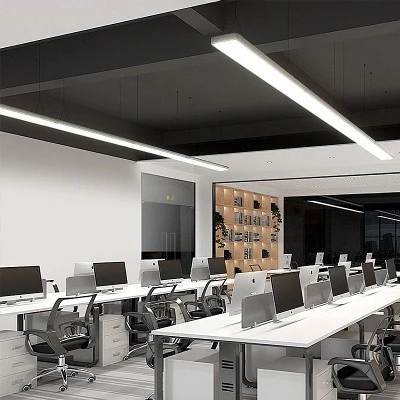
What Are LED Batten Lights and LED Panel Lights?
LED batten lights and LED panel lights are widely used in commercial and educational spaces to provide general illumination. Their differences in fixture structure, light distribution, and installation methods make them suitable for different room layouts and ceiling conditions.
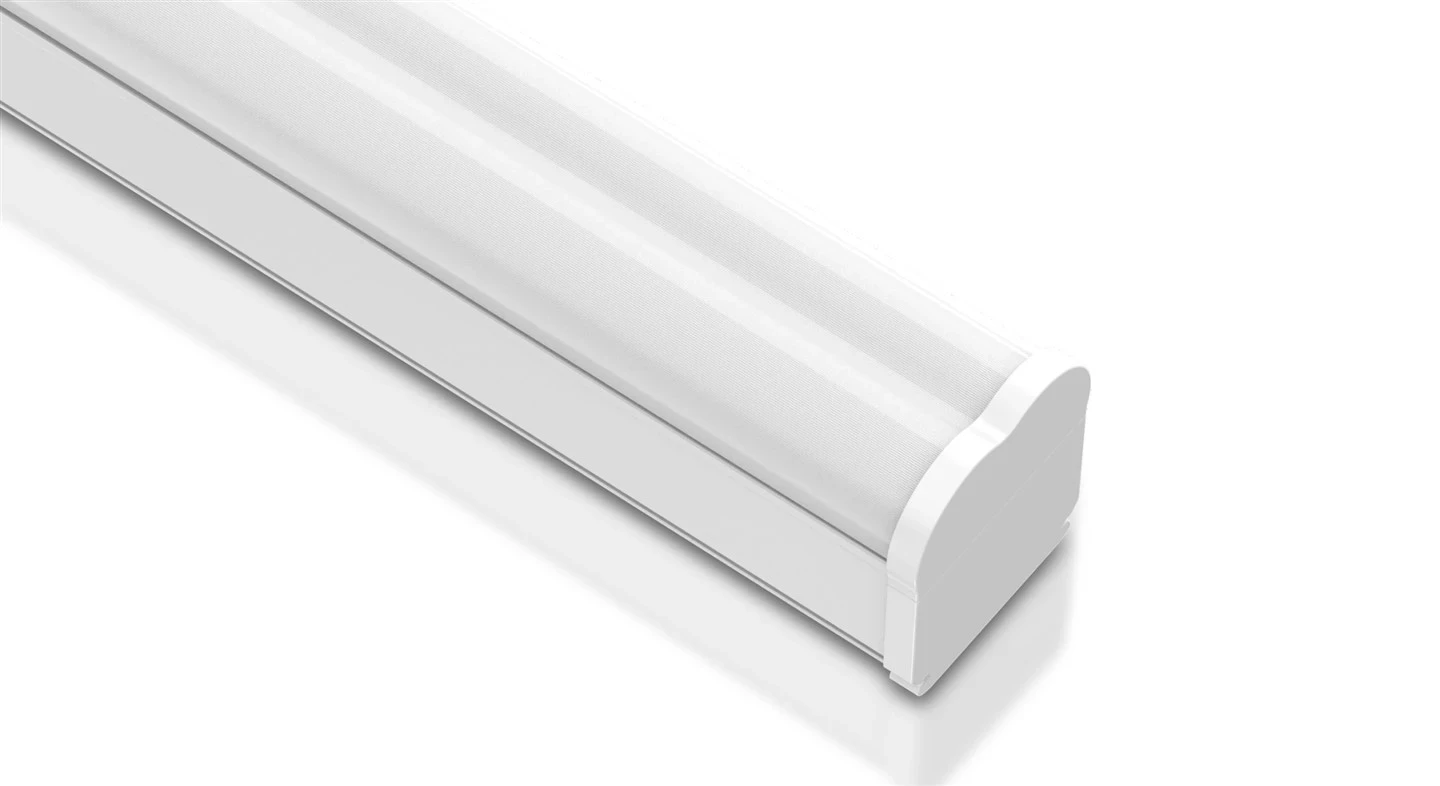
LED Batten Lights
LED batten lights feature a long, narrow design with integrated LED light sources enclosed in a protective housing. They distribute light along a linear area and are available in different lengths, wattages, and color temperatures. Depending on the model, they can be surface-mounted or suspended, making them suitable for offices, classrooms, corridors, and other spaces that require practical linear lighting.
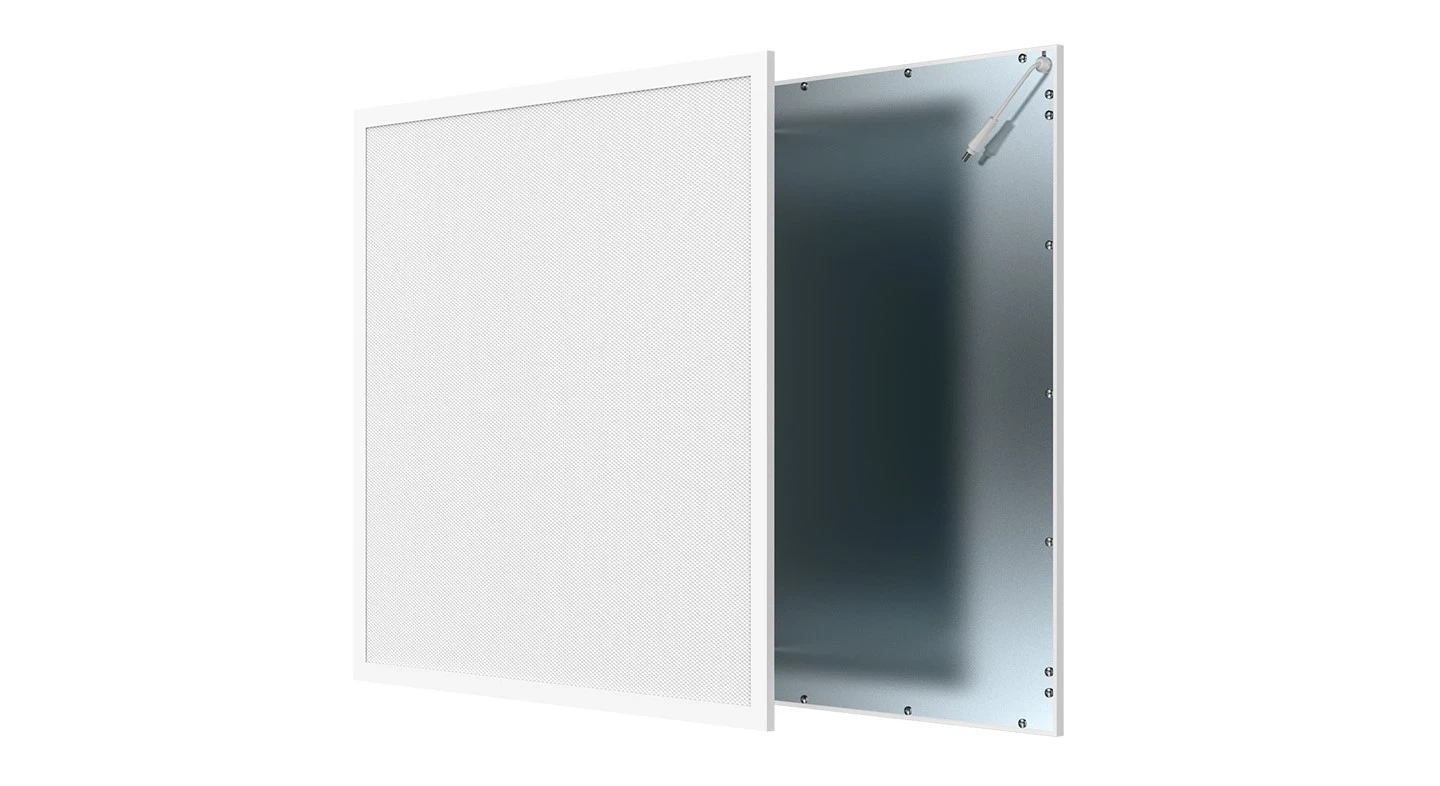
LED Panel Lights
LED panel lights feature a flat, broad structure designed to distribute light across a wider area. Their integrated LED modules and diffusers help provide broad, comfortable illumination when the fixtures are properly specified and installed. Available in different dimensions, power ratings, and mounting options, they are commonly used in offices, classrooms, meeting rooms, and other indoor environments where consistent lighting and a streamlined ceiling appearance are preferred.
What Are the Key Differences Between LED Batten Lights and LED Panel Lights?
Although both fixture types provide general indoor illumination, their structural designs, light distribution, and installation requirements differ. Buyers can compare the following factors to determine which option better suits their projects.
|
Comparison Factor |
LED Batten Lights |
LED Panel Lights |
|
Fixture Design |
Long, narrow linear structure |
Flat, broad rectangular or square structure |
|
Light Distribution |
Linear illumination along the fixture length |
Broad illumination across the panel surface |
|
Installation Methods |
Surface-mounted or suspended, depending on the model |
Recessed, surface-mounted, or suspended, depending on the model |
|
Ceiling Compatibility |
Suitable for exposed ceilings and linear lighting arrangements |
Well suited to compatible suspended ceiling grids and broad ceiling coverage |
|
Glare Control |
Depends on diffuser design, optics, and fixture placement |
Depends on diffuser design, optics, and fixture placement |
|
Lighting Configuration |
Individual fixtures or aligned linear arrangements |
Multiple panels distributed across a ceiling area |
|
Typical Applications |
Corridors, open offices, classrooms, and circulation areas |
Offices, classrooms, meeting rooms, and training spaces |
What Factors Should Buyers Consider When Selecting LED Batten or Panel Lights?
Choosing between the two fixture types requires evaluating the room's lighting needs, ceiling conditions, and long-term operating requirements.
Glare Control and Visual Comfort
Office employees and students may spend several hours under artificial lighting, making glare control an important selection factor. Buyers should compare unified glare rating (UGR) specifications, diffuser design, fixture positioning, and screen reflections. Models rated UGR below 19 may be suitable for many office and classroom applications, but actual visual comfort also depends on room layout, surface reflectance, and lighting design.
Lumen Output and Energy Efficiency
Required lumen output depends on room dimensions, ceiling height, task requirements, and fixture arrangement. Buyers should compare luminous flux, luminous efficacy in lm/W, and wattage rather than choosing based on power consumption alone. Lighting calculations can help determine whether batten or panel fixtures provide the required illumination without excessive installed capacity.
Ceiling Structure and Installation Requirements
The existing ceiling can influence fixture selection, installation time, and project cost. Recessed panel lights may be practical for compatible suspended ceiling grids, while surface-mounted or suspended battens can suit exposed ceilings and linear layouts. Buyers should also account for mounting accessories, wiring access, fixture spacing, and maintenance clearance.
Color Temperature and Control Options
Selectable correlated color temperature (CCT), dimming, and sensor compatibility can help lighting systems accommodate different room uses and operating schedules. Buyers should consider the intended activities when choosing color temperature and verify whether the selected fixtures support the required dimming or control systems. Compatibility with the project's electrical infrastructure should also be confirmed before ordering.
What Are the Benefits of Choosing the Right LED Lighting for Offices and Classrooms?
Matching fixture design and lighting specifications to project requirements can improve daily usability and simplify installation planning.
- More Appropriate Light Distribution - Linear batten layouts can follow workstations and circulation routes, while panel layouts can provide broad illumination across larger ceiling areas.
- Improved Visual Comfort - Suitable low-glare optics and correct fixture positioning can help reduce distracting glare during reading, computer work, and classroom activities.
- Greater Installation Flexibility - Different mounting options allow buyers to match fixtures to recessed grids, exposed ceilings, or suspended installations.
- Better Control Over Energy Use - Comparing luminous efficacy, required light output, and available dimming or sensor options helps buyers specify lighting that meets project needs without unnecessary energy consumption.
- Simplified Project Planning - Evaluating fixture dimensions, spacing, electrical requirements, and maintenance access before installation can reduce coordination issues during construction or renovation.
Conclusion
LED batten lights and LED panel lights can both provide effective illumination for offices and classrooms, but the right choice depends on ceiling structure, room layout, required light distribution, glare control, and installation preferences. Batten lights are worth considering for linear arrangements and flexible mounting, while panel lights can suit projects that prioritize broad illumination and integration with compatible ceiling grids. Toppo Lighting offers both LED batten and panel lighting options for commercial and educational projects, helping buyers evaluate fixtures according to their installation and lighting requirements. Contact us to discuss your room layout, lighting specifications, and installation conditions so you can identify a suitable LED lighting solution for your project.