

Introduction
Currently, many households and commercial establishments still use traditional lighting fixtures (such as fluorescent lamps and incandescent bulbs) for ceiling lighting, which suffer from issues like high energy consumption, uneven light distribution, and frequent maintenance requirements. These fixtures not only incur high electricity costs but also experience light degradation over time, leading to a decline in lighting effects and even affecting the ambiance and visual comfort of the space.
Core Renovation Plan
1. Lighting Upgrade: Selecting Suitable LED Ceiling Lights/Panel Lights
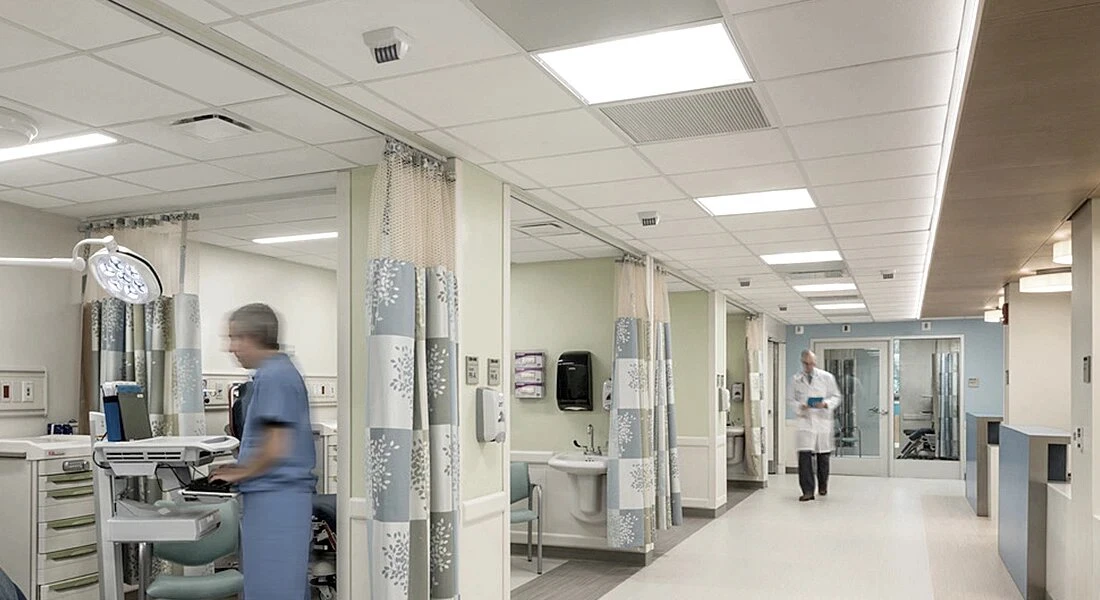
Upgrade traditional incandescent and fluorescent lamps to LED ceiling lights or panel lights. LED lighting is the cornerstone of the renovation, offering energy efficiency, long lifespan, and design versatility to meet the needs of different scenarios. During the renovation, ensure that the size of the lamps matches the ceiling structure. For example, gypsum board ceilings may require reinforcement of the keel structure for load-bearing, while honeycomb large-panel ceilings can accommodate direct embedded installation without damaging the original structure.
2. Lighting Layout Optimization: Aligning Function with Structure
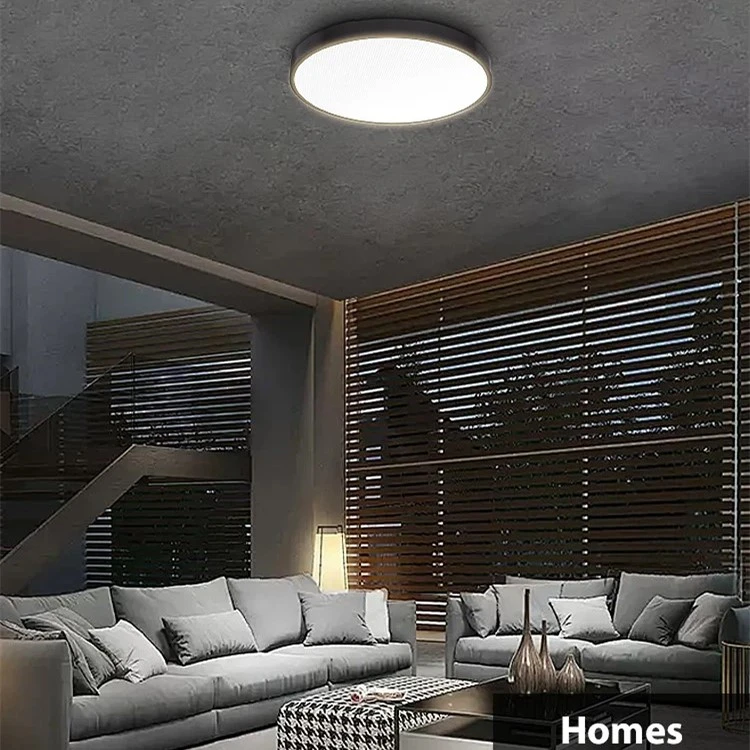
Residential Spaces: For ceiling renovations, prioritize panel lights or ceiling lights for basic lighting. In living rooms, 4000K natural light is recommended for uniform coverage. Bedrooms can incorporate 2700K linear light strips embedded in suspended ceilings to create a low-brightness warm-light ambiance. Kitchens and balconies can use tri-proof lights directly installed on the ceiling, with 6000K cool white light ensuring adequate illumination on work surfaces. Key areas such as TV walls can be highlighted with 45° angled installation of strip lights to emphasize decorative details.
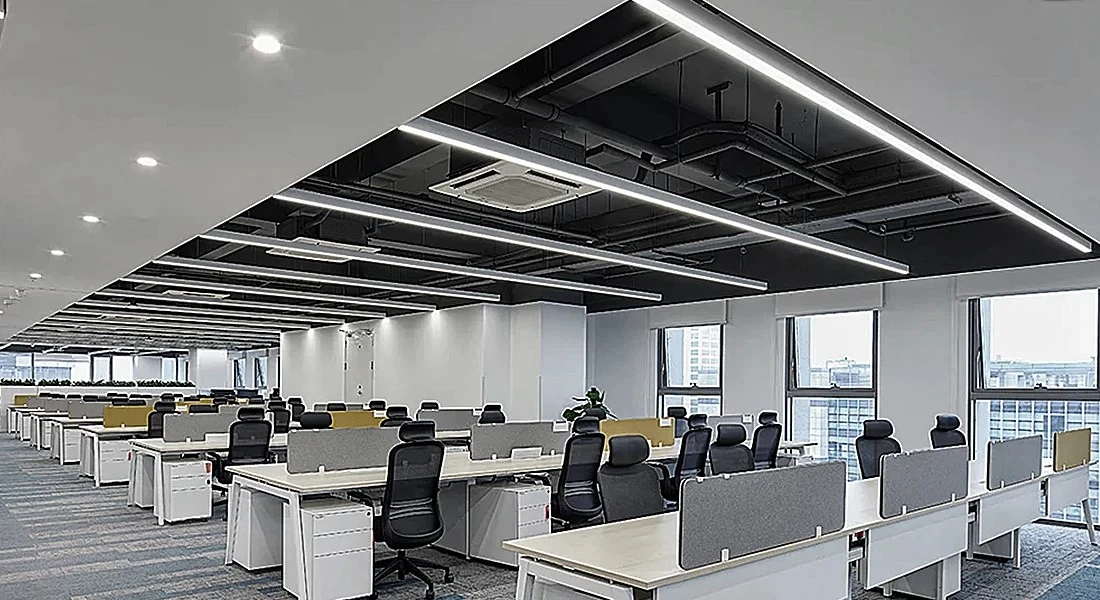
Commercial Spaces: In shop ceilings, strip lights are predominantly used, with angled installations to accentuate product display areas. It is recommended to use 4000K neutral white light, with linear light strips embedded in shelf layers. Office areas should install panel lights for uniform lighting, while corridor walls can feature bulkhead lights to ensure safe passage with cool white light.
Industrial Scenarios: Warehouses and workshops can utilize suspended tri-proof lights for 6000K cool white light coverage in high-ceiling areas, with additional strip lights for precise supplementary lighting in equipment operation zones. Underground parking garages can combine bulkhead lights with linear light strips to provide basic illumination.
3. Scientific Configuration of Lighting Parameters
2700-3000K Warm Light: Suitable for relaxing spaces like bedrooms and dining areas, low color temperature light resembles candlelight, inhibiting melatonin breakdown and promoting physical and mental relaxation.
4000K Natural Light: Ideal for functional areas such as offices and kitchens, with a color temperature close to noon daylight, maintaining visual alertness while avoiding eye strain caused by high color temperatures.
6000K Cool White Light: Used in high-brightness demand scenarios like warehouses and exhibition halls, high color temperature enhances environmental transparency and visual clarity while suppressing drowsiness.
Installation and Construction Considerations
Safe Construction
Prior to renovation, ensure the power supply is turned off and use insulated tools for operation. Handle old lighting fixtures with care during removal to avoid damaging the ceiling structure. If the ceiling material has insufficient load-bearing capacity (e.g., PVC panels), reinforcement or dispersal of installation points may be necessary in advance.
Wiring Inspection
When replacing lighting fixtures, inspect the aging condition of the original wiring and replace any damaged wires. LED lamps have lower power consumption, and the original circuits can usually be used directly. However, attention should be paid to the total load when multiple lamps are connected in parallel to avoid exceeding the rated current.
Heat Dissipation and Maintenance
When installing LED lamps, reserve sufficient heat dissipation space to prevent them from being in direct contact with ceiling materials. Choose lamps with metal heat dissipation backplates and regularly clean dust to prevent blockage of heat dissipation vents and impact on performance.
Summary
The above content systematically elaborates on the core logic and implementation framework for ceiling lighting renovations, focusing on three main objectives: energy efficiency, scenario adaptation, and long-term stability. LED lamps, with their numerous advantages, have become a viable alternative to traditional lighting fixtures and are gradually being widely applied in various scenarios.
Toppo: Professional LED Lighting Manufacturer
As a leading LED lighting supplier, Toppo offers a variety of lighting fixtures, including linear lights, batten lights, tri-proof lights, bulkhead lights, ceiling lights, and panel lights. We can also provide customized solutions tailored to your space. If you are interested in upgrading the lighting in your space, please feel free to contact us!