

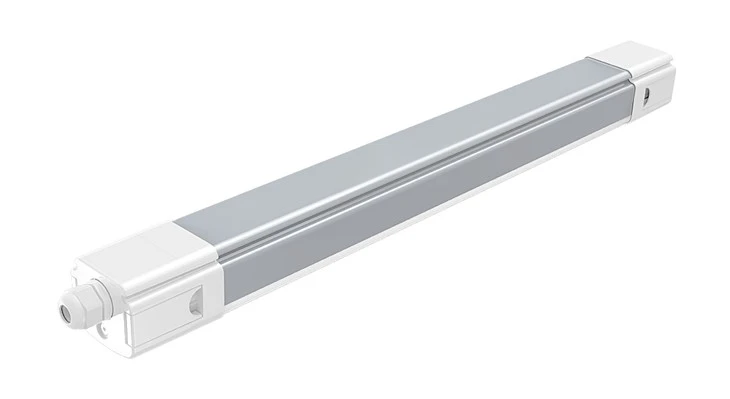
Hey there! As a supplier of tri-proof lights, I've seen firsthand how crucial it is to pick the right ones for your needs. Tri-proof lights are super versatile and can be used in a bunch of different settings, from industrial warehouses to commercial kitchens and even outdoor areas. But with so many options out there, it can be a real headache to figure out which ones are the best fit. So, in this blog post, I'm gonna break down the key factors you should consider when choosing tri-proof lights.
1. Understand Your Lighting Needs
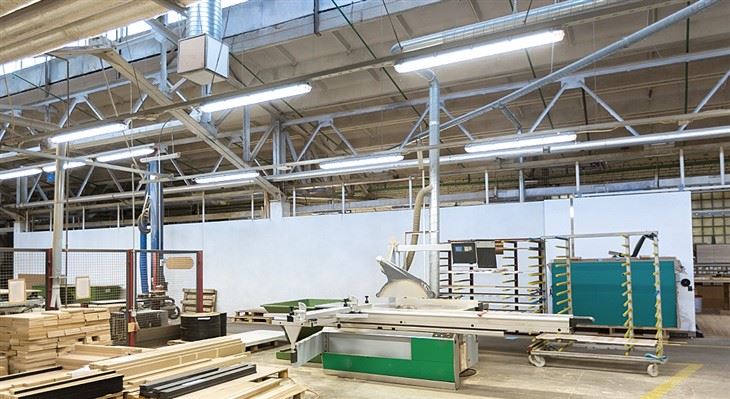
First things first, you gotta know what you're lighting up. Think about the size of the area, the type of tasks that'll be done there, and how much light you actually need. For example, a big industrial warehouse where workers are doing detailed tasks will need a lot more light than a small storage closet.
You can use a light meter to measure the existing light levels if you're replacing old lights. Or, if it's a new installation, you can refer to lighting standards for different types of spaces. The Illuminating Engineering Society (IES) has some great guidelines that can help you figure out the right amount of light for your specific situation.
2. Consider the Environment
Tri-proof lights are designed to be waterproof, dustproof, and corrosion-resistant, but not all of them are created equal. You need to think about the environment where the lights will be installed.
- Moisture: If the area is prone to moisture, like a car wash or a swimming pool area, you'll want lights with a high Ingress Protection (IP) rating. An IP rating of at least IP65 is recommended for wet environments. This means the lights are completely protected against dust and can withstand low-pressure water jets from any direction.
- Dust and Dirt: In dusty places such as grain silos or construction sites, you also need a high IP rating. A light with an IP66 rating can handle powerful water jets and is even better at keeping dust out.
- Corrosion: If the area has corrosive substances, like a chemical plant or a coastal area with saltwater in the air, look for lights made from corrosion-resistant materials. Some tri-proof lights are made with stainless steel or powder-coated aluminum, which can stand up to harsh chemicals and saltwater.
3. Evaluate the Light Quality
The quality of light can have a big impact on productivity, safety, and the overall look of the space. Here are some aspects of light quality to consider:
- Color Temperature: Color temperature is measured in Kelvins (K). Lower color temperatures (around 2700K - 3000K) produce a warm, yellowish light that's great for creating a cozy atmosphere, like in a restaurant or a lounge area. Higher color temperatures (5000K - 6500K) give off a cool, bluish-white light that's more suitable for task lighting in areas like offices or workshops.
- Color Rendering Index (CRI): The CRI measures how accurately a light source renders colors compared to natural light. A CRI of 80 or higher is considered good, and a CRI of 90 or above is excellent. In areas where color accuracy is important, such as art galleries or retail stores, you'll want lights with a high CRI.
- Uniformity: You want the light to be evenly distributed across the area. Poorly distributed light can create shadows and make it hard to see clearly. Look for lights that have a wide beam angle and are designed to provide uniform illumination.
4. Look at the Energy Efficiency
Energy costs can add up quickly, especially if you're lighting a large area. So, it's important to choose energy-efficient tri-proof lights.
- LED Technology: LED tri-proof lights are the way to go these days. They use significantly less energy than traditional fluorescent or incandescent lights. LEDs also have a longer lifespan, which means you'll save money on replacement bulbs in the long run.
- Lumens per Watt (LPW): This is a measure of how efficiently a light source converts electrical energy into light. The higher the LPW, the more energy-efficient the light is. Look for tri-proof lights with a high LPW rating to save on your energy bills.
5. Check the Durability and Lifespan
You don't want to be replacing your lights every few months. So, make sure the tri-proof lights you choose are durable and have a long lifespan.
- Build Quality: Look for lights with a sturdy construction. The housing should be made from high-quality materials that can withstand impacts and vibrations. Some lights also have shock-resistant features, which are great for industrial environments.
- Lifespan: A good tri-proof LED light can last anywhere from 50,000 to 100,000 hours. This means you won't have to worry about replacing the lights for a long time. Make sure to check the manufacturer's specifications for the estimated lifespan of the lights.
6. Think about the Installation and Maintenance
Installing and maintaining the lights should be as easy as possible.
- Installation: Some tri-proof lights are designed for easy installation. They may come with mounting brackets or hooks that make it simple to attach the lights to the ceiling or wall. Look for lights that come with clear installation instructions and all the necessary hardware.
- Maintenance: Lights that are easy to clean and replace bulbs (if applicable) are a plus. Some LED tri-proof lights have a modular design, which makes it easy to replace individual components if they fail.
Our Tri-proof Light Recommendations
At our company, we offer a range of high-quality tri-proof lights that meet different needs and budgets. Here are some of our popular products:
- Bico Tri-proof Light: This light is perfect for industrial and commercial applications. It has a high IP rating, excellent light quality, and is very energy-efficient.
- Prime Tri-proof Light: If you're looking for a more budget-friendly option without sacrificing quality, the Prime Tri-proof Light is a great choice. It still offers good performance and durability.
- Twins NCF Light: This light is designed for areas where moisture and dust are a concern. It has a unique twin-tube design that provides even more light output and is highly resistant to water and dust.
Conclusion
Choosing the right tri-proof lights doesn't have to be a hassle. By considering your lighting needs, the environment, light quality, energy efficiency, durability, and installation and maintenance requirements, you can make an informed decision.
If you have any questions or need help choosing the right tri-proof lights for your project, don't hesitate to reach out. We're here to assist you and provide you with the best lighting solutions. Contact us today to start a discussion about your lighting needs and get a quote.
References
- Illuminating Engineering Society (IES). Lighting Handbook.
- Manufacturer specifications of tri-proof lights.